Eco Light Bulb: A Thoughtful Icon for Embroidery Projects
As someone who’s stitched hundreds of custom pieces—from boutique aprons to baby onesies and Etsy bestsellers—I opened Eco Light Bulb expecting charm, but what stood out immediately was its quiet confidence. It’s not flashy. It doesn’t shout. Instead, it offers clean lines, gentle curves, and a subtle nod to sustainability that feels grounded—not gimmicky. That matters when you’re translating a digital icon into thread on fabric.
First Impressions: Simplicity with Intention
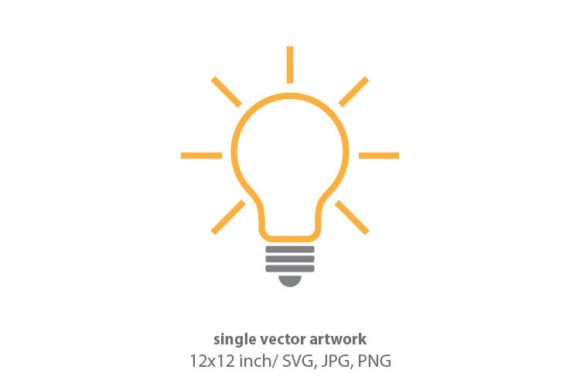
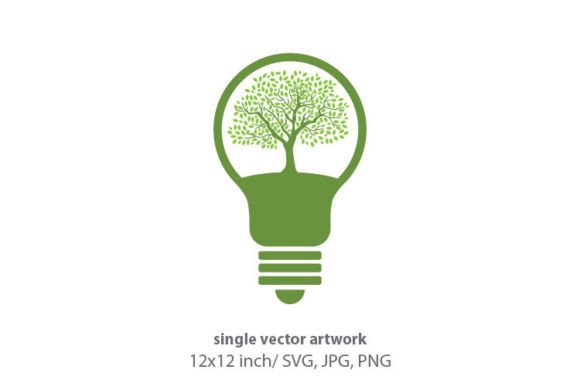
The Eco Light Bulb lands as a true icon: minimal, scalable, and conceptually clear. Its silhouette balances recognizability with restraint—no overworked filigree, no tiny gradients that vanish under stitch. The bulb shape is rounded but precise; the leaf motif integrated into the base feels organic, not tacked on. As an embroidery designer, I appreciate how easily this translates to satin stitch outlines or soft fill-stitch zones. There’s breathing room in the negative space—critical when stitching on textured fabrics like terry cloth or looped cotton towels.
I tested it mentally on a natural canvas tote bag for a local eco-conscious café. No text needed. Just the Eco Light Bulb, centered above the pocket, stitched in moss green thread on unbleached cotton. It read instantly as thoughtful, handmade, and aligned—not like a logo slapped on, but like part of the story.
Where It Shines (and Where It Needs Care)
Eco Light Bulb works beautifully for small-to-medium embroidery projects where clarity trumps complexity. Think sweatshirt chest logos, embroidered patches for reusable produce bags, baby onesie accents, or pillow covers for a nursery with a “gentle earth” theme. Its 12×12” artboard gives generous headroom for resizing down to 2–3” without losing integrity—ideal for caps or child-sized garments.
But here’s where experience kicks in: this isn’t a one-size-fits-all icon. On stretchy knit t-shirts? Use light cutaway stabilizer and reduce stitch density slightly—especially around the bulb’s curve—to avoid puckering. On dark fabric? Test contrast first: a pale yellow or cream thread may get lost unless you add a subtle underlay. And on thin fabrics like baby muslin or lightweight linen tea towels? Skip dense fill stitches entirely—opt for outline + running stitch combo instead.
It also shines in holiday or gift contexts: imagine it stitched onto a linen kitchen towel set, paired with hand-stamped tags reading “Made with Care.” Customers respond to that sincerity—it elevates the handmade product from decorative to meaningful.
Real-World Fit: From Craft Fair Table to Etsy Listing
I recently used Eco Light Bulb as the anchor design for a set of embroidered aprons sold at a farmers’ market. We offered three thread options—sage, charcoal, and oat—and let customers choose their favorite. The icon scaled cleanly across all sizes (8”, 10”, and 12” hoop placements), and because it’s vector-based, our digitizer had zero trouble converting it into a clean machine embroidery design with balanced satin and fill regions.
For Etsy sellers and small shop owners: this is low-risk, high-resonance design asset. It pairs well with neutral palettes and reads clearly in printable mockups—no pixelation, no muddy edges. When buyers see crisp previews of your embroidered tote bag or personalized gift, trust builds faster. That visual consistency supports brand cohesion, especially if you’re building a line around mindful living, slow craft, or sustainable home goods.
Design Notes You’ll Actually Use
- Always test on scrap fabric first—especially if using textured or loosely woven material. The bulb’s smooth contour can highlight uneven tension.
- Check thread color contrast on both light and dark backgrounds before finalizing your embroidery file. RGB files don’t always predict how pigment behaves in rayon or polyester thread.
- Review stitch density in your embroidery software. If your digitizer added heavy underlay or dense fills, simplify—this icon thrives on lightness.
- Confirm hoop size compatibility. While the vector artboard is 12×12”, your actual stitched version may need to fit within a 4×4” or 5×7” hoop depending on your machine and project scale.
- Inspect small details at 200% zoom: the leaf stem, the curve where filament meets base—these areas must hold up at 3” wide, not just on screen.
- Test black-and-white mockups. Does the shape still read clearly without color? For monochrome branding or blind-stitch applications, that matters.
- Use proper stabilizer: tear-away for stable wovens, cutaway for knits, and lightweight fusible for delicate linens.
- Verify licensing before selling finished items or bundling Eco Light Bulb into digital embroidery packs. Since it’s labeled “You Can use this digital gra,” confirm commercial rights directly with the source if reselling is part of your craft business model.
A Final Stitch of Judgment
Eco Light Bulb isn’t just another icon—it’s a quiet collaborator in your embroidery project. It doesn’t demand attention; it earns it through balance, intention, and adaptability. Whether you’re stitching a single personalized gift or producing 50 embroidered patches for a co-op shop, it holds up without fuss.
It fits naturally into categories like Icons and Graphics, yes—but more importantly, it fits into real lives: the teacher who gifts a bulb-embroidered notebook cover, the new parent choosing nursery decor, the café owner wanting warmth without cliché. That’s the mark of a design that goes beyond clipart—it becomes part of the story you’re stitching by hand.
If you're curating design assets for your craft business, keep Eco Light Bulb in your working folder. Not as filler—but as a trusted, versatile voice in your visual vocabulary.