Spider Web SVG: Web Split Name Frame
A Designer’s First Glance at This Halloween Staple
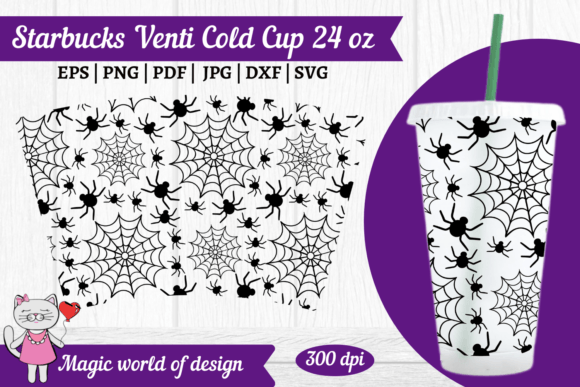
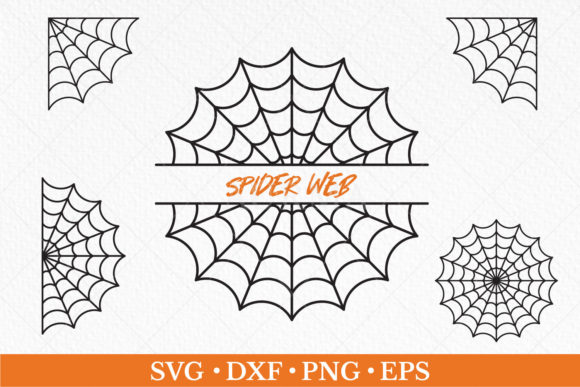
When I opened the Spider Web SVG, Web Split Name Frame, my immediate thought wasn’t “spooky”—it was “structured.” This isn’t a chaotic tangle of threads; it’s a deliberate, symmetrical web with clean radial lines and a centered split space built for names or short phrases. The corner variants feel intentional—not afterthoughts—and the overall aesthetic lands somewhere between vintage apothecary label and modern boutique Halloween decor. It reads as *designed*, not just generated. That matters when you’re stitching for clients who care about cohesion, not just cliché.
Real-World Use: That Custom Embroidered Tote Bag Project
Last week, I used the Spider Web SVG, Web Split Name Frame to embroider a limited-run tote bag for a local indie bookstore’s October event—“Spine-Tingling Reads.” We placed the web in the lower right corner, with “ELARA” stitched cleanly into the split frame. On natural canvas, the design held its shape beautifully: the outer web arcs read clearly in satin stitch, the inner radiating lines stayed crisp without bleeding, and the name sat legibly inside without crowding. Customers didn’t just notice it—they paused. That subtle pause? That’s the difference between decoration and resonance.
Where It Shines (and Where It Needs Care)
The Spider Web SVG, Web Split Name Frame excels in projects where clarity, contrast, and context align:
- Custom apparel: Works cleanly on sweatshirts and structured tees—especially when paired with matte black or deep burgundy thread on cream or charcoal fabric.
- Embroidered patches: Its balanced negative space makes it ideal for iron-on or sew-on patches meant for jackets, backpacks, or aprons.
- Baby embroidery: Surprisingly gentle when scaled down—stitched in soft pastel thread on organic cotton onesies, it reads whimsical rather than ominous.
- Holiday gifts & boutique products: Perfect for tea towels, pillow covers, and nursery wall hangings where thematic charm meets handmade polish.
But—and this is critical—don’t assume it’s universally forgiving. On thin or stretchy fabrics like lightweight knits or baby rib, the outer web lines can blur if stitch density isn’t dialed back. On dark fabric, fine inner details may vanish unless you use high-contrast thread or add a subtle underlay. And on curved surfaces like caps? Test placement early—the corner variant resists distortion better than the full-frame version.
Design Integrity Meets Commercial Reality
As a designer who sells both finished goods and digital embroidery files, I judge decorative elements like this one on two axes: visual trust and production reliability. Visually, the Spider Web SVG, Web Split Name Frame builds trust. It doesn’t scream “clipart”—it feels curated. That elevates perceived value on Etsy listings, craft fair tags, and boutique shelf displays. When customers see that thoughtful split frame, they imagine personalization, not mass production.
Production-wise, it’s a solid machine embroidery design—but only if treated with intention. The web’s symmetry means registration errors are instantly visible. A slight hoop misalignment shows up fast in those radial lines. So yes, it’s great for commercial embroidery—but only after confirming your digitizing (if modified) preserves line weight consistency and avoids over-stitching in tight intersections.
Practical Notes Every Embroidery Designer Should Run Through
Before committing to a client project or bulk production, here’s what I always do with a new digital embroidery file like this one:
- Test on scrap fabric that matches your final substrate—especially if using textured fabric like terry cloth or linen.
- Check thread color contrast across light and dark backgrounds. Try grayscale mockups first—it reveals hidden density issues.
- Review stitch density in the web’s center and along the outer edges. Overly dense fill stitches can pucker thin fabric.
- Confirm hoop size compatibility. Some versions of this design may push standard 4x4 hoops—verify before hooping live garments.
- Inspect small details at actual stitch-out scale: Are inner web junctions clean? Does the split frame leave enough breathing room for legible lettering?
- Use appropriate stabilizer—cutaway for knits, tear-away for stable wovens, and consider topping for napped fabrics like fleece.
- Verify licensing before selling finished embroidered items or bundling the file in digital product kits. Since this falls under Decorative Elements and Graphics, commercial use terms vary by seller—always double-check.
Final Thought: Not Just a Halloween Gimmick
The Spider Web SVG, Web Split Name Frame succeeds because it respects the craft. It doesn’t overload with unnecessary detail, nor does it oversimplify into abstraction. It gives you structure, space, and seasonal flavor—all while leaving room for your voice as a maker. Whether you’re an Etsy seller building a cohesive holiday collection, a small shop owner embroidering staff aprons, or a hobbyist stitching personalized gifts, this design works *with* your process—not against it. Just remember: even the best embroidery file is only as strong as your prep. Stitch smart, test often, and let the web hold more than just thread—it should hold attention, intention, and quiet confidence in every finished product.