Human Brain Illustration
A Designer’s First Look: Clean, Conceptual, and Quietly Bold
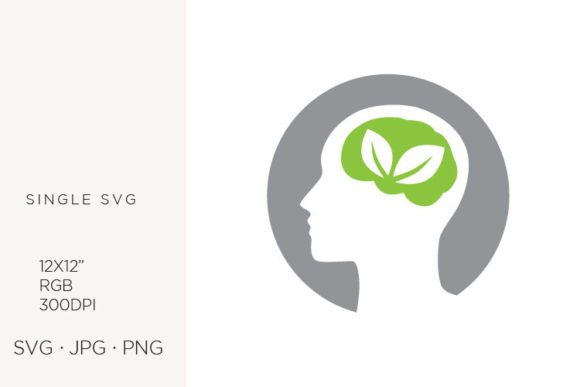
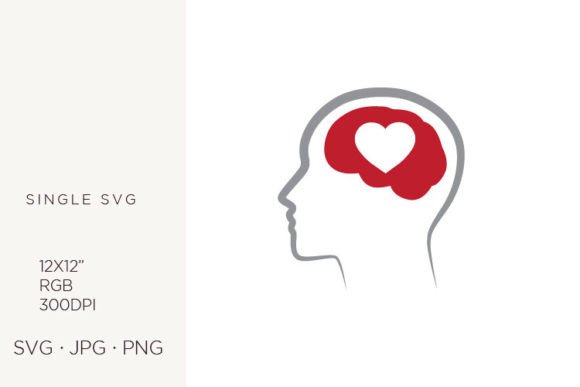
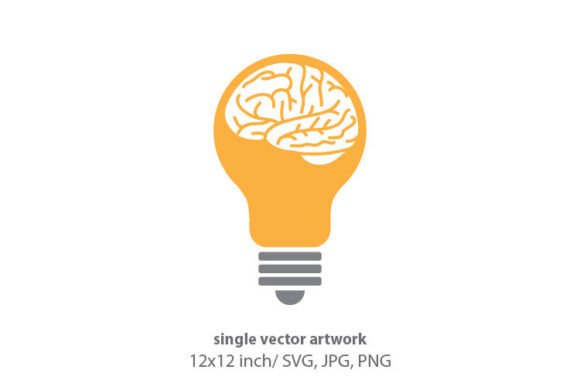
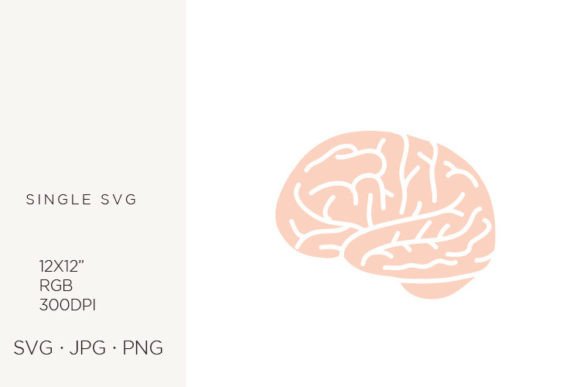
When I opened Human Brain Illustration, my first thought wasn’t “Wow—so detailed!” but rather, “This breathes.” It’s a single SVG icon—no clutter, no forced realism, no overwrought shading—but it carries weight. The silhouette is anatomically suggestive without being clinical; the curves are soft but intentional, the negative space around the lobes feels considered, not accidental. It reads as both scientific and artistic—a rare balance for an Icons category file. As a designer who regularly translates graphics into machine embroidery design, that restraint is gold. Too much detail becomes noise under thread; too little feels generic. Human Brain Illustration lands right in the middle: expressive enough for meaning, simple enough for stitch fidelity.
Where It Shines: Real Projects, Real Customers
Last week, I prepped a custom embroidered tote bag for a local neuroscience educator—part gift, part classroom tool. She wanted something recognizable but not cartoonish, professional but warm. Human Brain Illustration worked perfectly centered on the front panel of a medium-weight canvas tote. At 3.5 inches wide, it stitched cleanly with satin-stitched outlines and subtle fill-stitch texture in the core. No puckering. No lost definition. Customers paused to look—not because it screamed, but because it invited quiet recognition. That same design later became a small embroidered patch on a lab coat apron for a boutique medical supply shop. On dark denim, it held its shape. On light cotton tea towels? Crisp, legible, and thoughtful—ideal for a holiday gift set for grad students or new residents.
It also translated well to baby embroidery: scaled down to 2 inches on a swaddle blanket, the gentle contours read as soothing, not clinical—especially when stitched in soft heather gray thread on ivory organic cotton. Parents appreciated the subtlety. No jarring anatomy, just a quiet nod to curiosity and care. For Etsy sellers building a “mindful maker” brand, this isn’t just decoration—it’s tone-setting. It fits nursery decor, teacher appreciation gifts, therapist office wall art (as a printed mockup or stitched pillow cover), and even wedding favors for couples in med school or research.
Where to Proceed with Care
Human Brain Illustration isn’t magic—and it shouldn’t be treated like it is. Its strength lies in simplicity, but that means some surfaces and contexts demand extra attention:
- Small hoop sizes: Below 2.75 inches, fine lobe separation starts to blur. Test before committing to a cap or baby onesie.
- Textured or stretchy fabric: On terry cloth towels or ribbed knit sweatshirts, stabilizer choice is non-negotiable. Use cutaway + topping for clean edges.
- Dark or layered garments: On black hoodies or double-layered aprons, avoid low-contrast thread colors. A charcoal outline with cream fill adds depth without washing out.
- Curved surfaces: Caps and curved pillow covers require re-hooping or digitizing adjustments—this SVG isn’t pre-digitized, so your embroidery file needs proper underlay and pull compensation.
- Frequent-wash items: For kitchen towels or baby bibs, keep stitch density moderate. Overly dense fill stitches can stiffen fabric and wear faster.
What It Adds—Beyond the Stitch
This isn’t just about whether the lines hold up. It’s about how the finished product lands with people. A well-executed Human Brain Illustration elevates perceived value: it signals intention, care, and subject-matter awareness. For a craft business selling personalized gifts, that builds trust—customers don’t buy a brain; they buy empathy, intellect, or celebration of someone’s journey. For an apparel decorator, it helps differentiate from generic florals or fonts. And for digital product sellers bundling design assets, it pairs beautifully with minimalist typography or soft watercolor backgrounds in printable mockups.
I’ve seen similar concepts fail because they tried too hard—adding veins, labels, or gradients that vanish under thread. Human Brain Illustration avoids that trap. Its visual personality is calm, confident, and quietly intelligent. That translates directly into buyer engagement: longer dwell time on Etsy listings, more shares on Instagram, higher perceived professionalism—even when stitched by hand or on a home machine.
Practical Notes Every Embroidery Designer Should Run Through
- Test first: Always run a sample on scrap fabric matching your final substrate—same stabilizer, same thread, same hoop size.
- Check contrast: View your thread color choices against both light and dark fabric backgrounds in grayscale mockups.
- Review stitch density: If converting this SVG to an embroidery file yourself, watch areas where curves meet—tight corners can overload a machine if not eased.
- Confirm licensing: Since it’s labeled as a Graphics asset for logo design, wall art, and handmade craft items, verify commercial use rights before selling finished embroidered products or reselling digitized versions.
- Inspect small details: Zoom in on the SVG—look for stray anchor points or overlapping paths that could cause digitizing hiccups.
- Think beyond embroidery: This works equally well as a foil-stamped detail on stationery, a laser-cut wood ornament, or a heat-transfer design for custom apparel—making it versatile for multi-channel craft businesses.
Final Thought: Not Just a Graphic—A Quiet Conversation Starter
Human Brain Illustration won’t shout from a shelf—but it will make people pause, smile, and say, “Oh, I get it.” That’s the mark of strong design for real-world making. Whether you’re stitching a nurse’s gift, branding a therapy practice, or building a collection of science-themed handmade products, this icon earns its place. It’s not flashy. It doesn’t try to do everything. But in the right context—with thoughtful execution—it does exactly what it should: connect, resonate, and reflect care. That’s why it’s earned a permanent spot in my working library of design assets.